









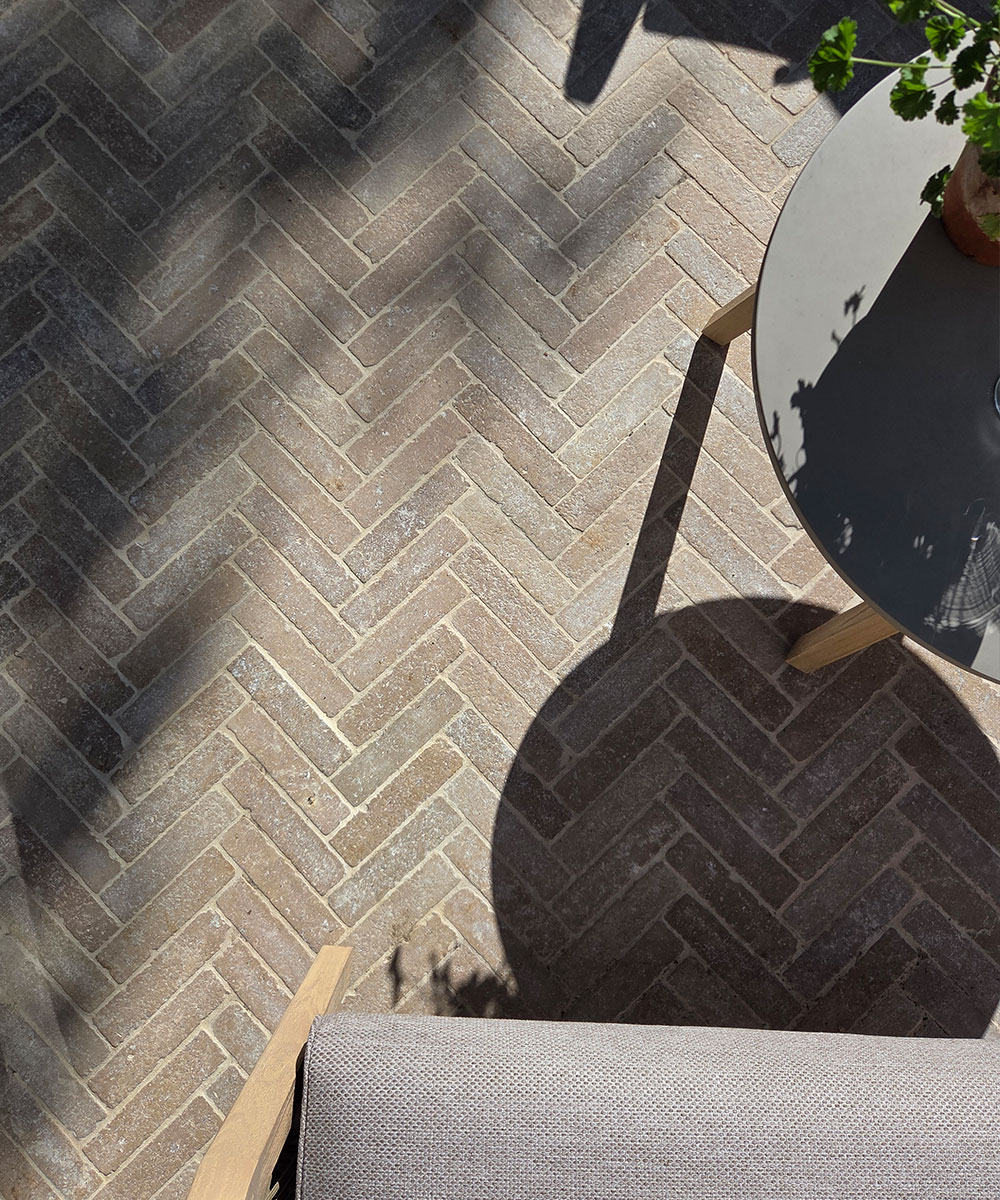
Description
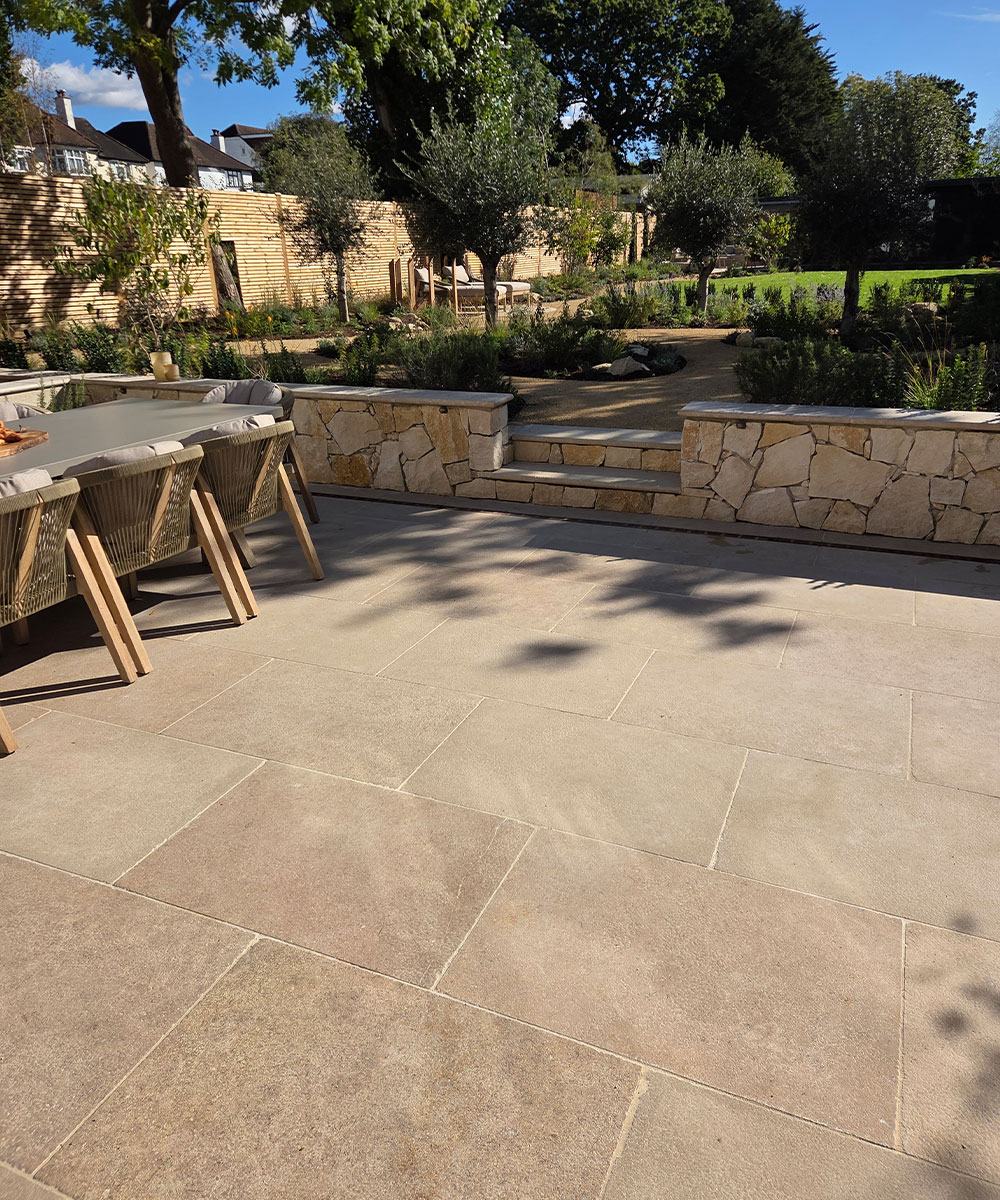
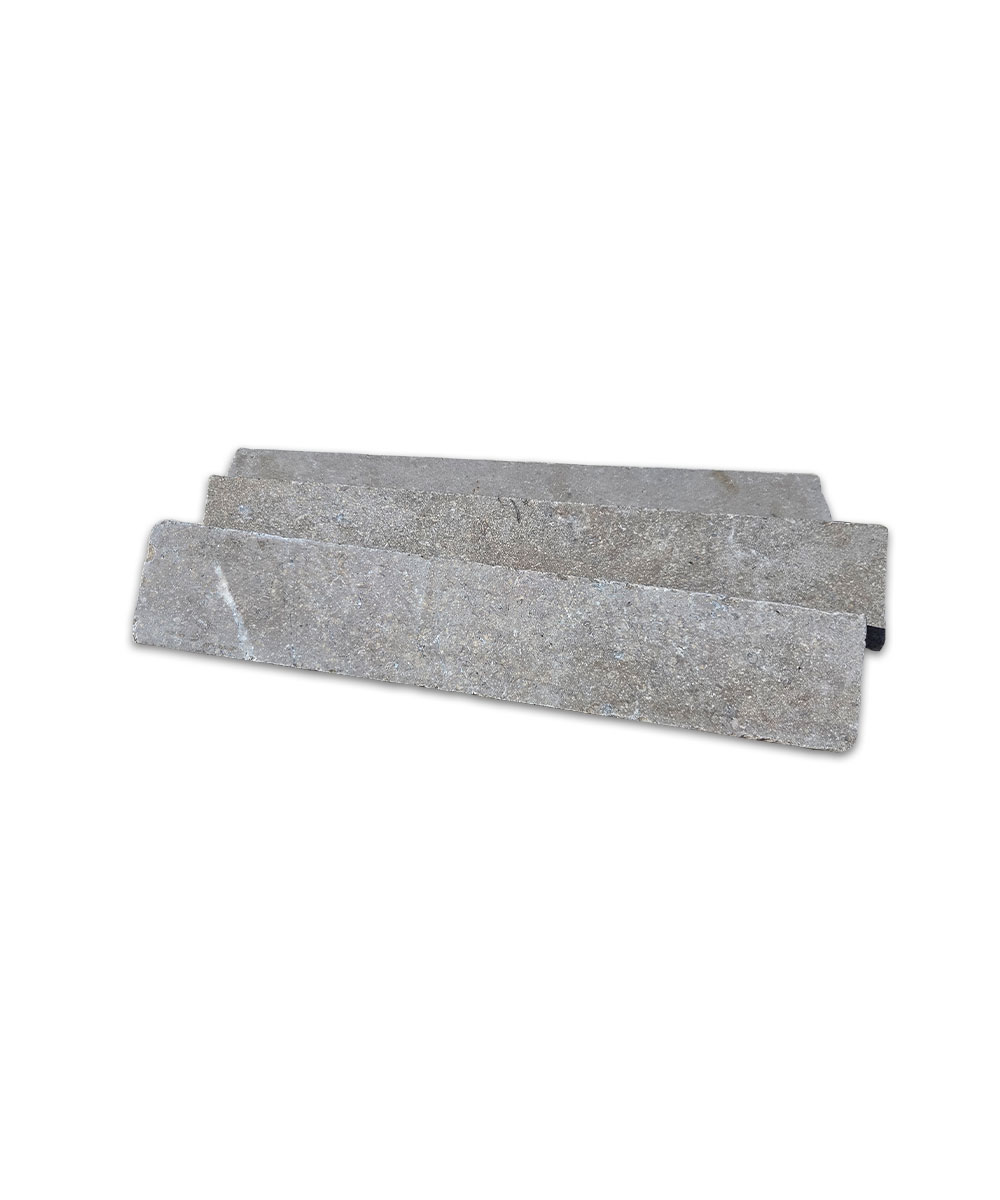
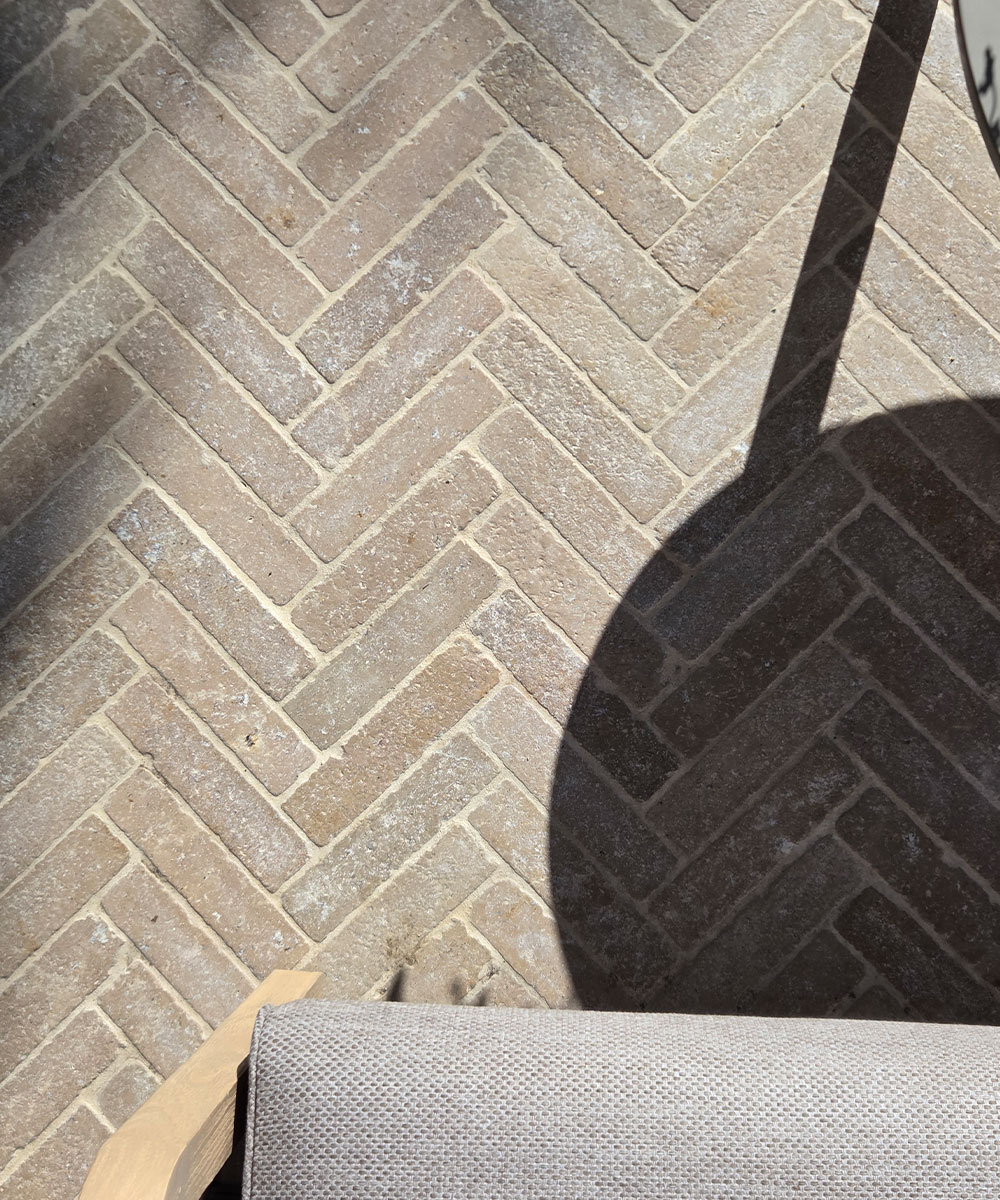
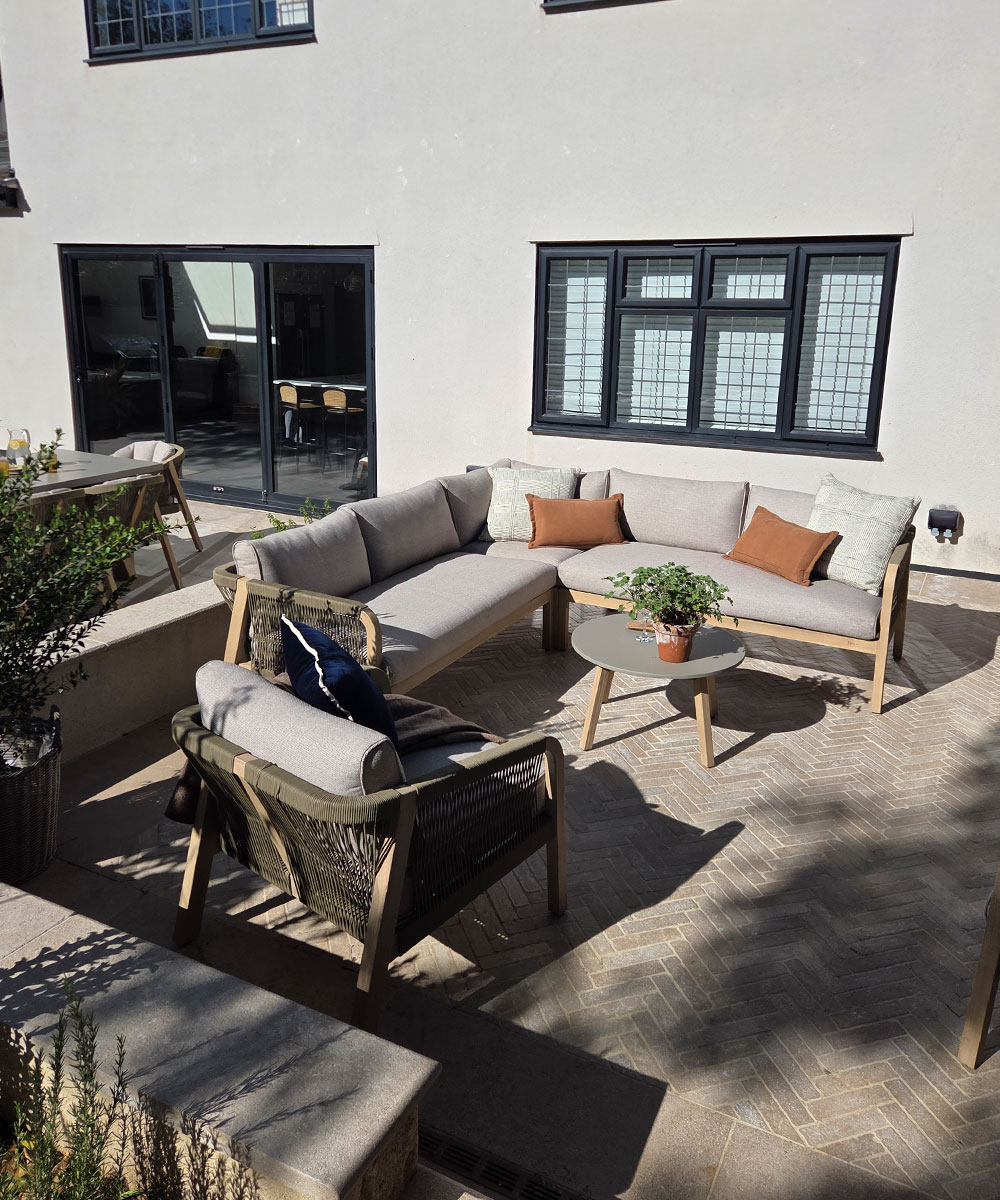
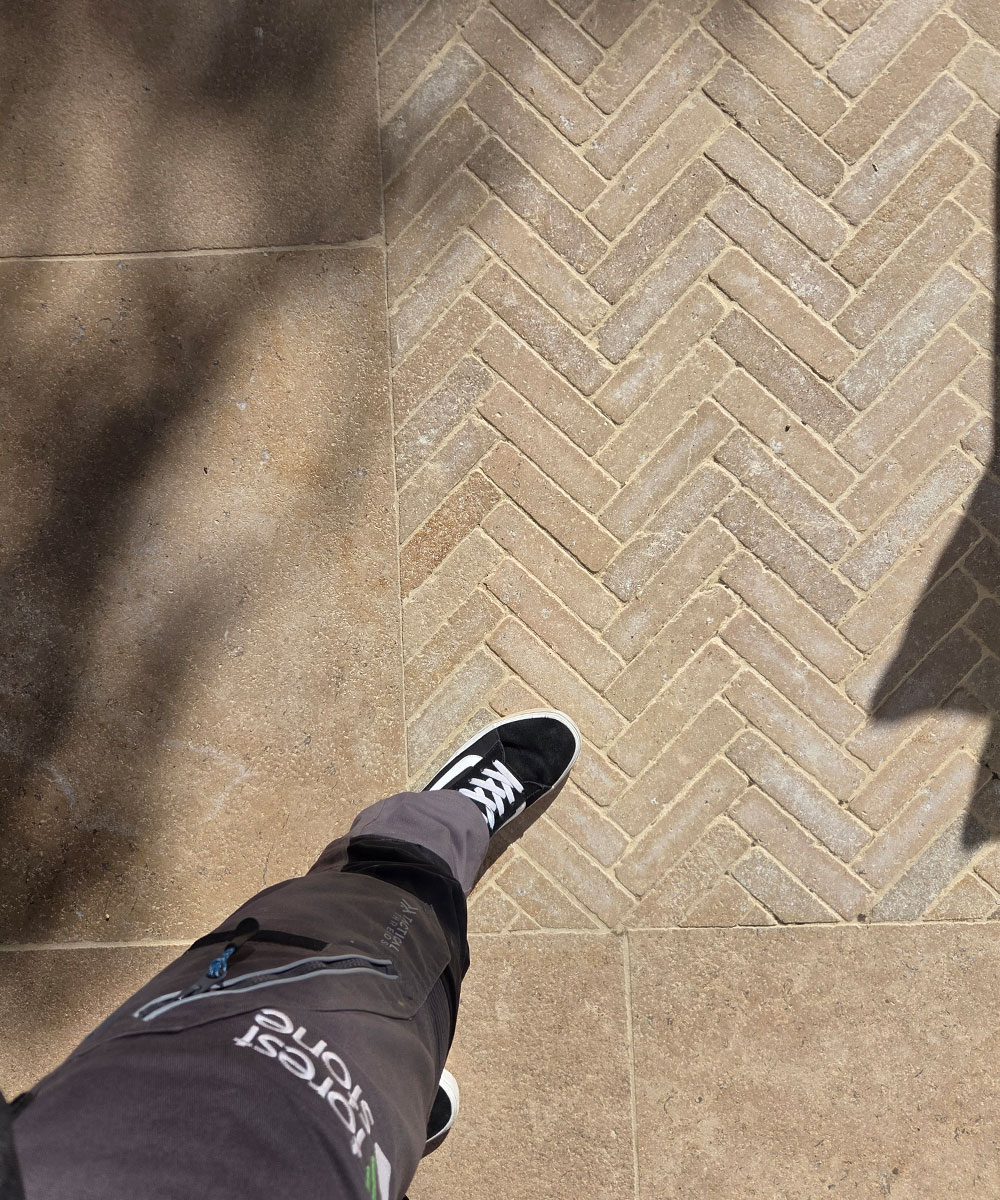
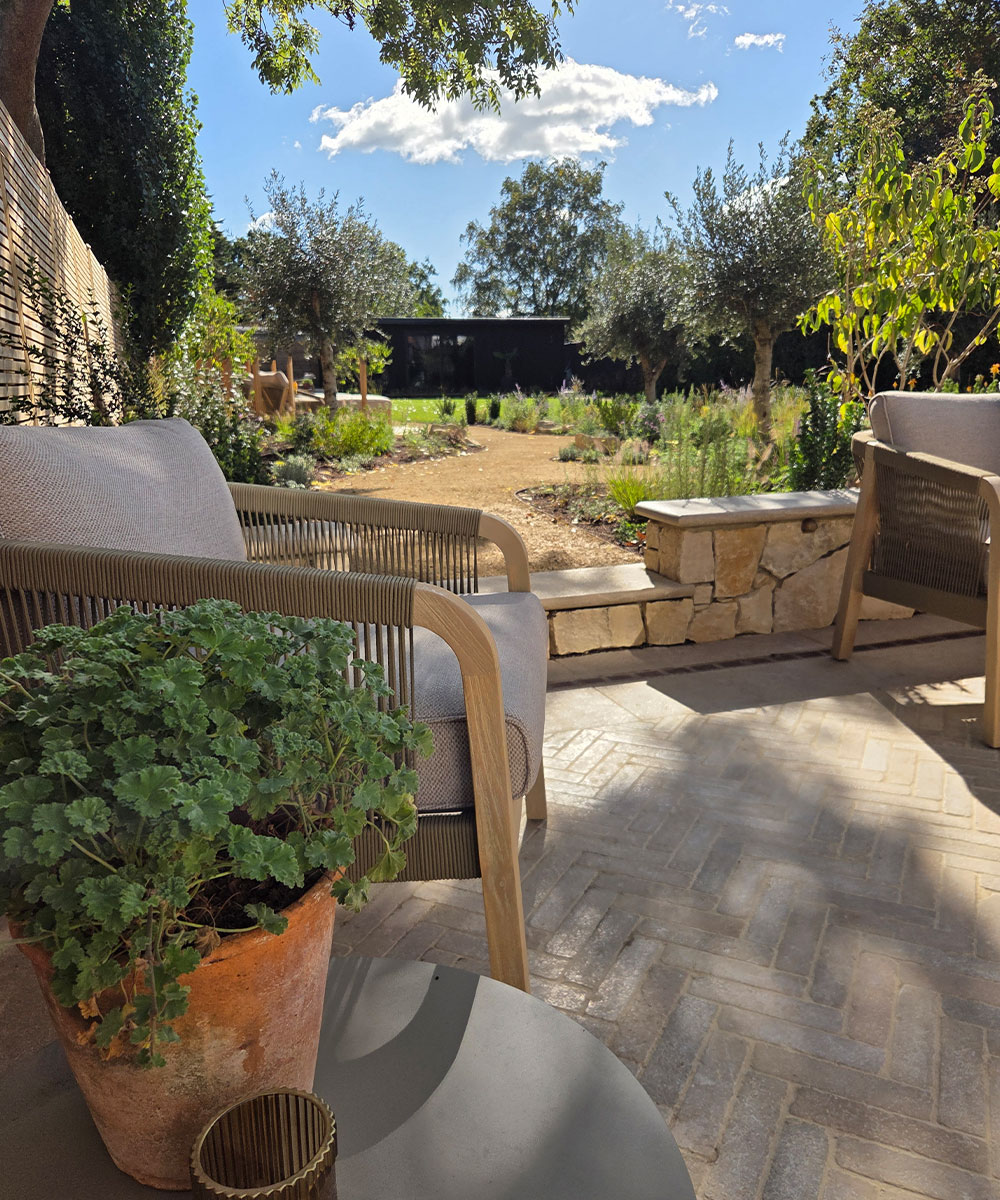
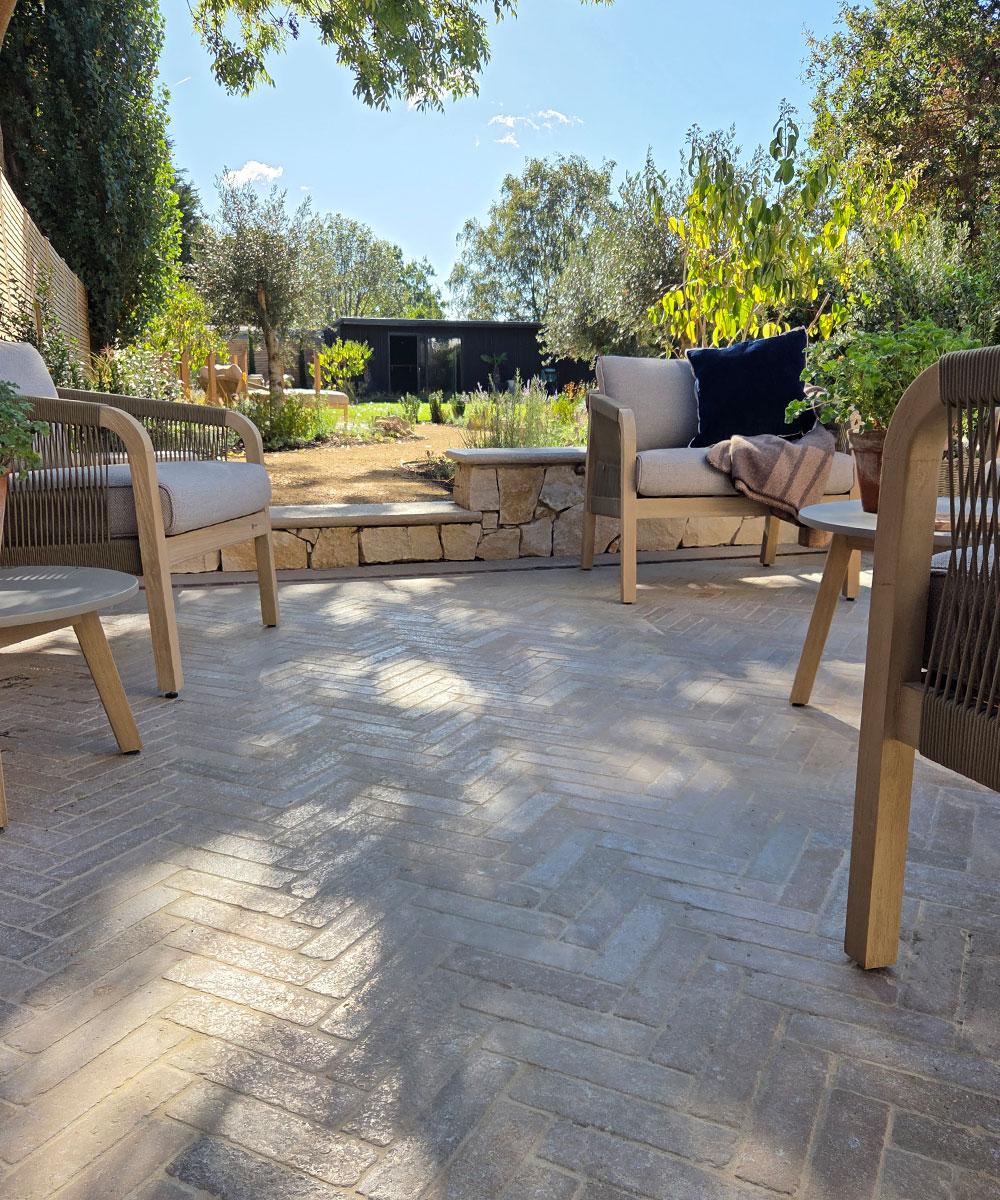
Our Lymington Dune Limestone Pavers are an Egyptian Limestone that has been sawn flat and then had the surface acid-etched before tumbling. This gives the material a premium warm beige colour tone with a sprinkling of texture and character. This is a wonderful modern looking stone alternative to a clay paver or brick edging. A beautiful edging to a patio built from the same stone or a good option to edge porcelain paving. These paving setts are also ideal for creating unique looking driveways and rumble strips as well as being used instead of bricks to face up walls. These setts could also create an elevated alternative to the run of the mill block paved driveway. Full of subtle variation and character this stone looks wonderful in traditional and modern builds and gives a really premium aesthetic. These limestone pavers are sawn to size and then lightly tumbled with a flat but textured top surface. Imported directly from Egypt this stone is very water resistant and proves a hard wearing, long lasting paving option. Being a limestone however it may fade a little in colour over time depending on the local conditions. These pavers are 40mm thick with a tolerance of several mm here and there.
-
-
- Sized at 200mm (l) x 50mm (w) x 40mm (d) // expect moderate variation from these dimensions as this is a natural product
- One 200mm x 50mm side is acid-etched and intended to be the surface finish
- The reverse side of these pavers is honed and a match for our Lymington Beige Limestone
- Lightly tumbled to give character to the edges
- Sold per square metre // 1m2 = 100 or can be available individually at a higher pricing rate
- Made from our beautiful Lymington Dune Limestone
- We recommend laying these pavers individually on a wet mortar bed with grouted joints. However, they can also be dry laid on a screeded base.
When dry laying, a gap of a few millimetres must be left between each paver to allow kiln-dried sand to be brushed into the joints, helping to lock the pavers in place.
-
Please note: Due to the natural variations in the dimensions of these pavers, dry laying will require additional time for your contractor to hand-select individual pieces to achieve a consistent finish. Customers choosing to dry lay these pavers should therefore allow for additional installation time and a proportion of unusable material.